Introduction to Eczema and Its Impact
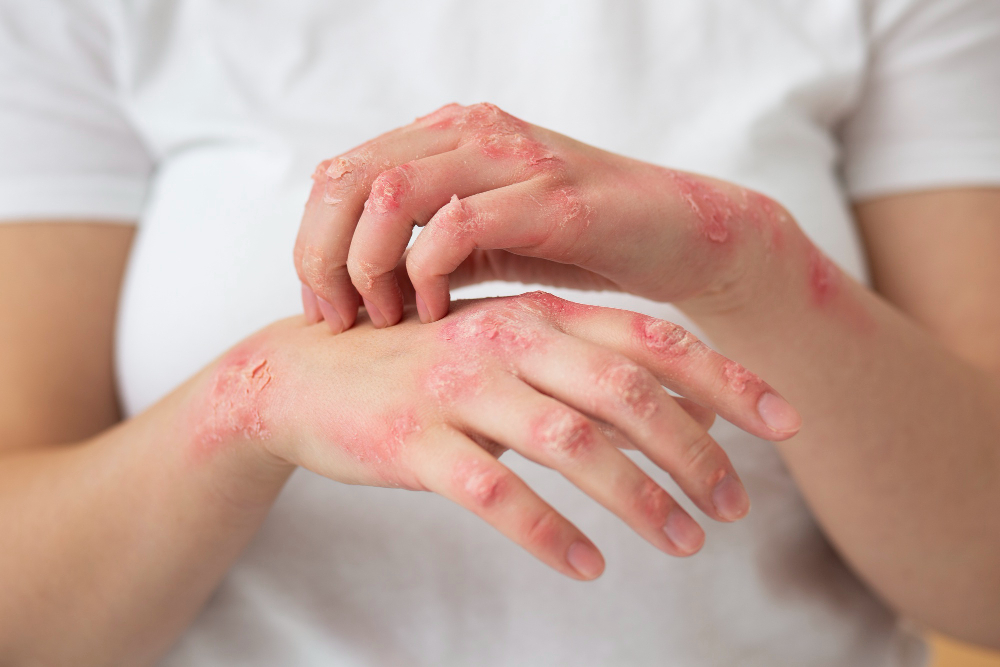
Eczema is a common skin problem that causes dryness, itching, and redness. Many people, both children and adults, live with eczema. It can affect daily life, sleep, and self-confidence. Because of this, many look for gentle skin healing options. One popular choice is homeopathy for eczema. This approach uses natural remedies and aims to treat the root cause. According to the World Health Organization (WHO), eczema is not contagious, but it can be long-lasting and uncomfortable.
What Is Homeopathy?
Homeopathy is a natural system of medicine. It uses very small amounts of natural substances to help the body heal itself. These remedies come from plants, minerals, or animals. Homeopathy follows the idea that “like cures like.” This means a substance that causes symptoms in a healthy person may help treat those same symptoms in someone who is sick. Many people choose homeopathy because it is gentle and has few side effects.
How Homeopathy Approaches Eczema
Homeopathic eczema treatment looks at the whole person, not just the skin. Practitioners ask about your symptoms, lifestyle, and emotions. Then, they choose a remedy that matches your unique case. For example, some people have dry, cracked skin, while others have oozing blisters. Because of this, homeopathy offers a personalized approach. It aims to balance the body and support gentle skin healing from within.
Common Homeopathic Remedies for Eczema
Several homeopathic remedies are used for eczema. However, the best remedy depends on your symptoms. Here are some common options:
Always consult a qualified homeopathic practitioner before starting any remedy. They will select the right treatment for your needs.
Benefits and Limitations of Homeopathic Treatment
Homeopathy for eczema offers several benefits. First, it uses natural eczema remedies that are gentle on the skin. Second, it aims to treat the root cause, not just the symptoms. Third, it is safe for most people, including children. However, there are some limitations. Homeopathic remedies may not work for everyone. Results can take time, and severe eczema may need other treatments. In addition, scientific studies on homeopathy are mixed. The Centers for Disease Control and Prevention (CDC) suggests using proven treatments for severe cases.
Safety, Precautions, and When to Consult a Doctor
Homeopathic remedies are usually safe when used as directed. Still, it is important to take some precautions:
For best results, combine homeopathic eczema treatment with regular medical care. This ensures your skin stays healthy and safe.
Lifestyle Tips for Managing Eczema Alongside Homeopathy
Besides using gentle skin healing remedies, daily habits can help manage eczema. Here are some tips:
By following these steps, you can support your skin’s healing process.
Prevention Strategies
While eczema cannot always be prevented, some steps may lower your risk. For example, keep your skin clean and well-moisturized. Avoid known triggers, such as harsh soaps, certain foods, or allergens. In addition, protect your skin from extreme temperatures. Early care and gentle skin healing can help prevent flare-ups.
In summary, homeopathy for eczema offers a gentle and natural approach. However, it is important to use it safely and with guidance. Consult a qualified homeopathic practitioner or dermatologist for personalized eczema care.